Categories
Uncategorized

How does Rolfing SI work?

Rolfing Structural Integration strives to align and balance the body’s components until the entire system is a smoothly functioning coordinated whole. For example, the legs are aligned to the hips, shoulders to rib cage, the body is positioned over the feet, and then all of these joints and related tissue are integrated to one another. A few of the many benefits people have experienced are reduced pain, increased flexibility, an enhanced sense of body awareness, and improved posture.

These wonderful transformations are possible because Rolfing SI addresses the body’s internal system of flexible support, otherwise known as fascia. These connective tissues surround ever muscle fiber, encase all joints and even have a role in the nervous system. Think of the fascial system as an intricate internal guide wire network for the body. If one set of support wires becomes tight or out of place, the excess tension may appear as nagging joint pain, muscle soreness, or a postural shift. To correct internal misalignments, a Rolfer uses mild, direct pressure to melt or release facial holdings and allow the body to find health through the re-establishment of balance.

It is currently believed that the slow, deep strokes of Rolfing SI stimulate intra-fascial mechanoreceptors (sensory neurons of the muscle nerve), which in turn trigger the nervous system to reduce the tension of the related muscles and fascia. Put another way, Rolfing SI allows the brain and nervous system to “re-boot” areas of the body that are receiving too much electrical stimulation (chronically tight or sore muscles). Once a healthy level of muscle contraction is established, the person’s entire structure is free to express a pain-free form.

Categories
Uncategorized

What is Rolfing® Structural Integration?

Named after its founder, Dr. Ida P. Rolf, Rolfing Structural Integration is a form of bodywork that reorganizes the connective tissues, called fascia, that permeate the entire body.

Hand


More than fifty years ago, Dr. Rolf recognized that the body is inherently a system of seamless networks of tissues rather than a collection of separate parts. These connective tissues surround, support and penetrate all of the muscles, bones, nerves and organs. Rolfing Structural Integration works on this web-like complex of connective tissues to release, realign and balance the whole body, thus potentially resolving discomfort, reducing compensations and alleviating pain. Rolfing SI aims to restore flexibility, revitalize your energy and leave you feeling more comfortable in your body.

Essentially, the Rolfing process enables the body to regain the natural integrity of its form, thus enhancing postural efficiency and your freedom of movement.

VIEW VIDEOS ON ROLFING

What are the benefits?

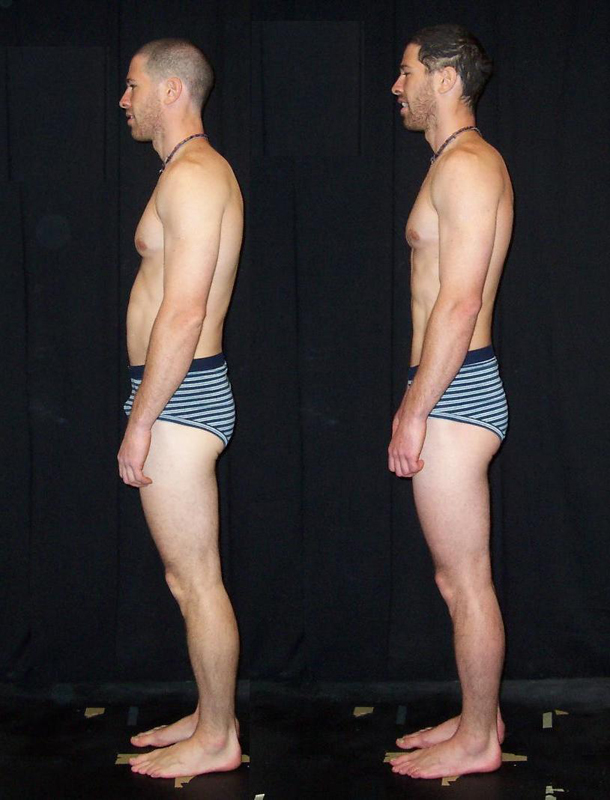
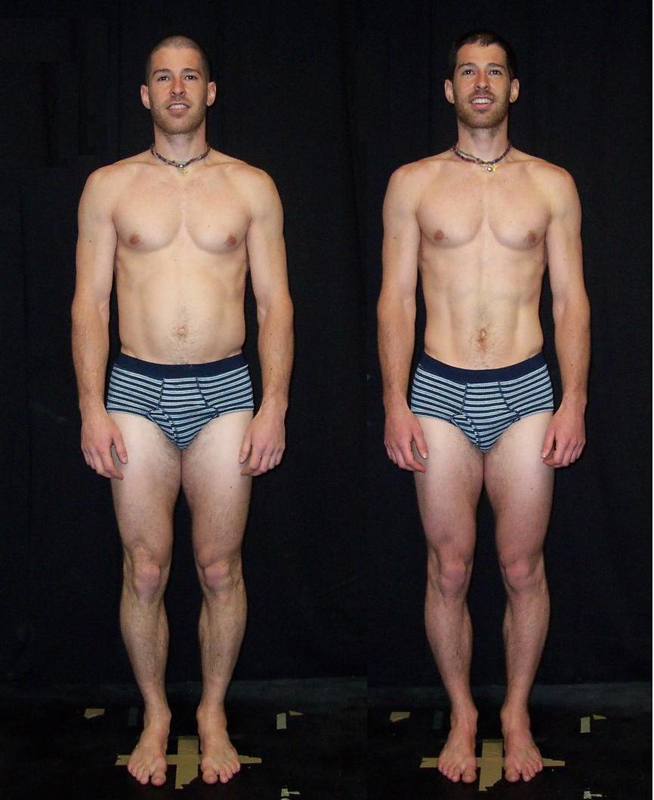
Rolfing Structural Integration has the ability to dramatically alter a person’s posture and structure. Rolfing SI can potentialy resolve discomfort, release tension and alleviate pain. Rolfing SI aims to restore flexibility, revitalize your energy and leave you feeling more comfortable in your body. The genius of the work rests on Dr. Rolf’s insight that the body is more at ease and functions most effectively when its structure is balanced in gravity.

Athletes, dancers, children, business professionals, and people from all walks of life have benefited from Rolfing SI. People seek Rolfing SI as a way to ease pain and chronic stress, and improve performance in their professional and daily activities. It’s estimated that more than 1 million people have received Rolfing work.

Research has demonstrated that Rolfing SI creates a more efficient use of the muscles, allows the body to conserve energy, and creates more economical and refined patterns of movement. Research also shows that Rolfing SI significantly reduces chronic stress and changes in the body structure. For example, a study showed that Rolfing SI significantly reduced the spinal curvature of subjects with lordosis (sway back); it also showed that Rolfing SI enhances neurological functioning.

Categories
Uncategorized

beforeafter_md

beforeafter2_md